
Dry Wall Mold Removal How-To Guide — Pure Maintenance Portland
Identify the Mold
Gather Your Supplies
Prepare the Area
Apply Cleaning Solution
Scrub the Mold Away
Dry the Area
How It Works
Mold growth in your home can be a serious health hazard, particularly when it comes to dry walls. In Portland, Oregon, where moisture levels can be high, it's crucial to address any signs of mold as soon as they appear. Dry wall mold can not only compromise the structural integrity of your home but can also lead to various health issues for you and your family. This guide aims to equip you with the knowledge needed to effectively remove mold from your dry walls, ensuring a safe and healthy living environment. By following the steps outlined below, you can tackle dry wall mold removal on your own or understand the process better if you choose to hire professionals like Pure Maintenance Portland. This guide will cover everything from identifying mold to the final cleanup process, providing you with a comprehensive overview of how to ensure your dry walls are free of harmful mold. Remember, safety is key when dealing with mold, so it's important to take the necessary precautions throughout the removal process. With the right tools and knowledge, you can restore the beauty and safety of your walls while keeping your home in Portland mold-free.
Identify the Mold
The first step in dry wall mold removal is to thoroughly inspect your walls for any signs of mold. Look for discoloration, a musty odor, or visible growth. Pay special attention to areas around windows, bathrooms, and kitchens where moisture is prevalent. Identifying the type and extent of the mold will help you determine the best removal method. Make sure to document the affected areas for future reference.
Gather Your Supplies
Before you start the removal process, gather all necessary supplies. You'll need protective gear such as gloves, goggles, and a mask to avoid inhaling spores. Additionally, acquire cleaning solutions like a mixture of water and vinegar, or a specialized mold remover, as well as tools like a sponge, scrub brush, and a spray bottle. Having all your supplies ready will streamline the removal process.
Prepare the Area
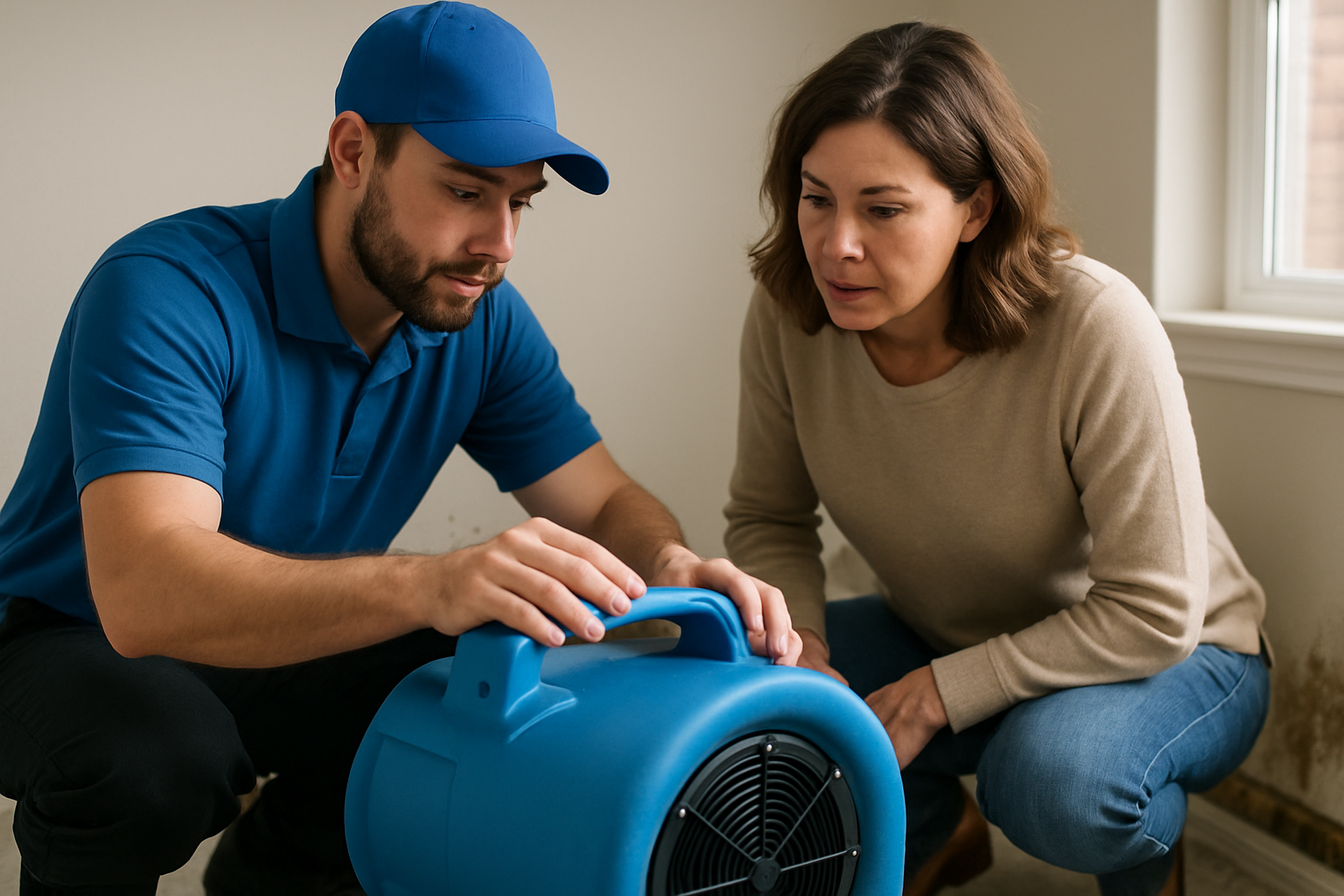
Ensure the area around the affected dry walls is clear of furniture and other items. Cover the floor with plastic sheeting to catch any debris and prevent contamination of other areas. Proper ventilation is essential; open windows and doors to allow fresh air to circulate. If possible, use a fan to improve air circulation and reduce humidity in the room before you start.
Apply Cleaning Solution
Once the area is prepared, apply your chosen cleaning solution to the affected dry wall. Use a spray bottle for even distribution and let it sit for at least 10-15 minutes to penetrate the mold. This helps to loosen the mold from the surface, making it easier to scrub away. During this time, continue to ensure proper ventilation to minimize exposure to mold spores.
Scrub the Mold Away
After allowing the cleaning solution to sit, use a scrub brush or sponge to gently scrub the moldy areas. Be thorough, but cautious not to damage the dry wall. For stubborn mold, you may need to apply additional cleaning solution and repeat the scrubbing process. Once the mold is removed, wipe the area clean with a damp cloth to remove any residue. Dispose of your cleaning materials carefully.
Dry the Area
After scrubbing, it's essential to dry the area completely to prevent mold from returning. Use fans or dehumidifiers if necessary to speed up the drying process. Ensure that there is no lingering moisture on the dry wall or in the air, as this can encourage future mold growth. Keep the area ventilated for at least 24 hours after cleaning.
Inspect and Repair
Once the area is dry, inspect it for any remaining signs of mold. If you notice any left, you may need to repeat the cleaning process. Additionally, check for any damage to the dry wall that may need repair or replacement. Seal any cracks or gaps with caulk to prevent moisture from seeping in and creating an environment for mold to thrive again.
Monitor for Recurrence
After completing the removal process, it's important to monitor the area for any signs of mold recurrence. Regularly check the humidity levels in your home, especially in areas prone to moisture. Consider using mold-resistant paint or treatments on your dry walls to further protect against mold growth in the future. Taking preventive measures is key to maintaining a mold-free environment.
What to Expect & When
We believe in full transparency. Here's a realistic timeline so you can plan accordingly.
Initial Inspection and Preparation
1-2 daysThis phase involves identifying the extent of the mold issue, gathering supplies, and preparing the area for safe removal.
Mold Removal Process
1-2 daysThe actual mold removal process, including cleaning, scrubbing, and drying, typically takes several days depending on the severity of the mold growth.
Inspection and Repair
1-2 daysAfter removal, a thorough inspection is done to assess any damage. Repairs may be necessary to ensure the dry wall is in good condition.
Ongoing Monitoring
OngoingContinued monitoring of the area for any signs of mold recurrence is essential, along with maintaining humidity levels.
How to Prepare
- Remove any furniture or items from the area to provide clear access for mold removal.
- Ensure proper ventilation by opening windows and using fans to circulate air.
- Wear protective gear such as gloves, goggles, and a mask to safeguard your health.
- Have all cleaning supplies ready before starting to avoid interruptions during the process.
- Consider notifying your neighbors if the mold issue is extensive, as it may affect shared living spaces.
Common Questions
Everything you need to know before we arrive.
How can I tell if I have mold in my dry walls?
What are the health risks associated with mold exposure?
Can I remove mold from dry walls myself, or should I hire a professional?
What should I do if the mold keeps coming back?
How long does the mold removal process take?
Still have questions? We're happy to help.
Call (503) 461-1006Understanding Mold Growth in Dry Walls
Mold can thrive in various environments, but it particularly favors damp areas. In Portland, Oregon, high humidity levels can create ideal conditions for mold to grow on dry walls. Understanding how mold develops is essential for effective prevention and removal. Mold spores are present in the air, and when they land on a damp surface like a dry wall, they can begin to grow if the conditions are right. Over time, mold can spread quickly, leading to more significant health risks and property damage. Preventing mold growth starts with controlling moisture levels in your home. This is especially important in areas prone to water leaks, such as around windows, pipes, and in bathrooms. Regular maintenance checks can help identify potential issues before they lead to mold infestations. Additionally, using mold-resistant materials when constructing or renovating can provide added protection against mold growth in dry walls. If you suspect mold in your walls, acting quickly is vital to prevent further damage and ensure a healthy living environment.
The Importance of Professional Mold Removal Services
While DIY mold removal can be effective for small patches, hiring a professional service like Pure Maintenance Portland ensures a comprehensive and safe approach to mold remediation. Professionals have the training, equipment, and expertise to handle larger infestations effectively. They can identify hidden mold growth that may not be visible to the naked eye and utilize advanced techniques to eliminate mold safely. Moreover, professionals can assess the underlying causes of the mold growth, such as leaks or high humidity, and provide solutions to prevent future occurrences. They also understand the importance of following local regulations and guidelines for mold removal in Portland, ensuring compliance and safety throughout the process. By investing in professional mold removal services, you not only safeguard your health but also protect your property from potential damage and costly repairs in the long run.
Ready to Get Started with Pure Maintenance Portland?
Our licensed technicians serve Portland and surrounding communities. Free estimates — no obligation.