Drying and Dehumidification Maintenance & Prevention Guide — Pure Maintenance Portland
Welcome to the ultimate guide on drying and dehumidification maintenance and prevention, brought to you by Pure Maintenance Portland. As the rainy season approaches in Portland, Oregon, homeowners must be proactive in managing moisture levels within their properties. Effective drying and dehumidification are critical in preventing water damage, mold growth, and structural deterioration, making it essential to understand how to maintain these systems properly. Drying and dehumidification not only protect your home but also enhance indoor air quality and comfort. In this guide, we will explore practical steps to keep your drying systems operating efficiently, warning signs to look out for, and seasonal tips tailored for Portland’s climate. Whether you have experienced water intrusion or simply want to prevent future issues, this guide is designed to equip you with the knowledge needed to safeguard your home effectively.
Warning Signs — Act Before It Gets Worse
Understanding the Importance of Drying and Dehumidification
Drying and dehumidification are essential processes that help maintain a safe and healthy living environment in Portland. Excess moisture can lead to a host of problems, including mold growth, structural damage, and diminished indoor air quality. Understanding how these systems work can empower homeowners to take control of their home's moisture levels. By actively engaging in drying and dehumidification practices, you not only protect your property but also enhance the comfort of your living spaces. The Pacific Northwest's damp climate necessitates a proactive approach to moisture management, and Pure Maintenance Portland is here to guide you every step of the way.
How to Choose the Right Dehumidification System
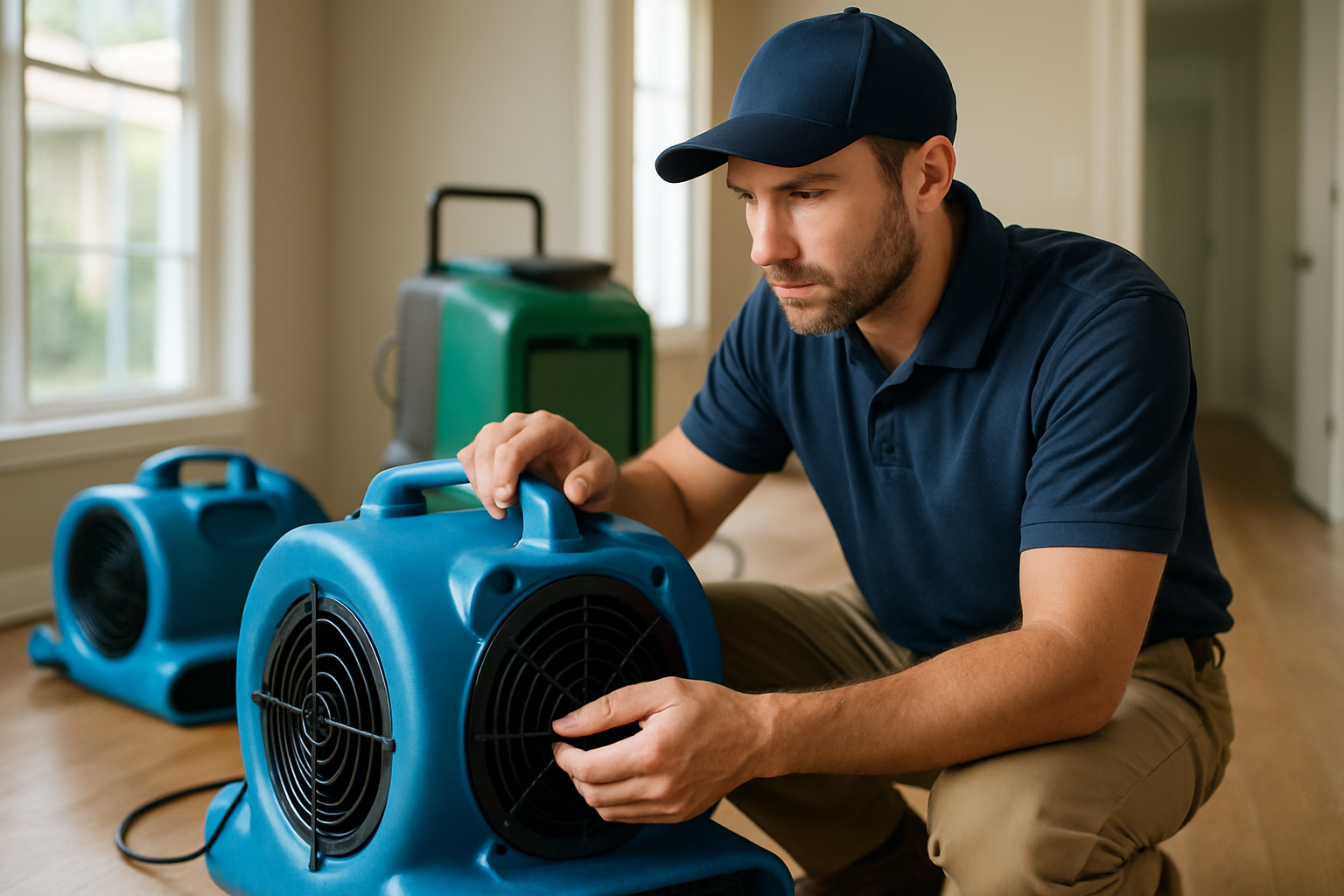
When selecting a dehumidification system for your Portland home, it is vital to consider several factors, including the size of the area to be treated, the humidity levels in your environment, and energy efficiency ratings. A unit that is appropriately sized will perform efficiently, preventing the energy waste that occurs with oversized systems. Additionally, consider features such as automatic humidity sensors and continuous drainage options that can simplify maintenance. Consulting with a professional can help ensure that you invest in a system tailored to your specific needs, offering peace of mind and long-term savings.
Prevention Checklist
Follow these 8 steps to protect your Portland home from Drying and Dehumidification.
Inspect Dehumidifier Filters
Medium RiskCheck and replace dehumidifier filters monthly to ensure optimal airflow and efficiency. Clogged filters can reduce performance and increase energy consumption.
Monitor Humidity Levels
High RiskUse a hygrometer to maintain indoor humidity levels between 30-50%. High humidity can lead to mold growth and musty odors.
Clean Dehumidifier Coils
Medium RiskAnnually clean the coils of your dehumidifier to remove dust and debris, enhancing efficiency and extending the unit's lifespan.
Check for Leaks
High RiskRegularly inspect the area around your dehumidifier and any water sources for leaks to prevent excessive moisture buildup.
Test Drainage System
High RiskEnsure the drainage system of your dehumidifier is functioning correctly. Testing the drainage monthly can help avoid overflow and water damage.
Seal Windows and Doors
Medium RiskCheck the seals on windows and doors at least twice a year to prevent moisture from entering your home, especially during the rainy season.
Inspect Crawl Spaces
High RiskRegularly inspect crawl spaces for moisture accumulation and ensure proper ventilation to aid drying efforts.
Schedule Professional Maintenance
Medium RiskConsider scheduling a professional maintenance check for your dehumidification system annually to ensure it operates at peak efficiency.
Protect Your Portland, Oregon Home from Drying and Dehumidification
Pure Maintenance Portland offers free prevention assessments for Portland homeowners. Don't wait for the next storm.