Chaetomium Mold Removal — Pure Maintenance Portland
Troubleshooting Guide

Chaetomium Mold Removal Troubleshooting Guide — Pure Maintenance Portland

Chaetomium mold is a type of fungi that can thrive in damp environments, often leading to significant health risks and property damage if not addressed promptly. In Portland, Oregon, where humidity levels can fluctuate, this mold can become a common problem for homeowners. Understanding how to troubleshoot issues related to Chaetomium mold is essential for maintaining a safe and healthy living environment. This guide will provide you with the necessary steps to identify, address, and prevent Chaetomium mold infestations in your home. At Pure Maintenance Portland, we specialize in Chaetomium mold removal, using advanced techniques to ensure thorough remediation and lasting results. It’s crucial to understand the symptoms, causes, and steps you can take to manage this issue effectively. If you suspect the presence of Chaetomium mold in your home, it’s vital to act quickly, as this type of mold can cause adverse health effects, including respiratory issues and allergic reactions. Let’s dive into the specifics of troubleshooting Chaetomium mold problems, so you can keep your Portland home safe and mold-free.

By Pure Maintenance Portland
8 min read
Expert-reviewed
Having an Emergency?
Don't wait — call us now for 24/7 emergency service in Portland, Oregon.
(503) 461-1006
Symptoms & Causes

Identify the Problem

Match your symptoms to the most likely cause. Severity ratings help you decide how urgently to act.

Visible mold growth in damp areashigh
Likely cause: High humidity levels, Water leaks, Poor ventilation
DIY check: Improve ventilation by opening windows or using fans to reduce humidity.
Musty odor in your homemedium
Likely cause: Hidden mold growth, Trapped moisture, Water-damaged materials
DIY check: Identify the source of moisture and eliminate it, such as repairing leaks.
Allergic reactions such as sneezing or coughinghigh
Likely cause: Exposure to mold spores, Increased indoor humidity, Poor air quality
DIY check: Use an air purifier with a HEPA filter to reduce mold spores in the air.
Water stains on walls or ceilingsmedium
Likely cause: Leaky roofs, Plumbing issues, Condensation build-up
DIY check: Inspect plumbing and roofs for leaks and repair them immediately.
Peeling paint or wallpapermedium
Likely cause: Moisture intrusion, High humidity, Mold growth underneath surfaces
DIY check: Remove affected areas and allow to dry before repainting or reapplying wallpaper.
Warped or buckled flooringhigh
Likely cause: Water damage, Humidity fluctuations, Mold growth beneath flooring
DIY check: Identify and fix leaks, and let the flooring dry thoroughly before any repairs.
What to Do Next

Step-by-Step Action Plan

Follow these steps before calling a technician — you may be able to resolve the issue yourself.

1

Identify the Source of Moisture

Check for leaks in pipes, roofs, and windows. Ensure that your home is properly ventilated to reduce humidity levels.

2

Inspect for Mold Growth

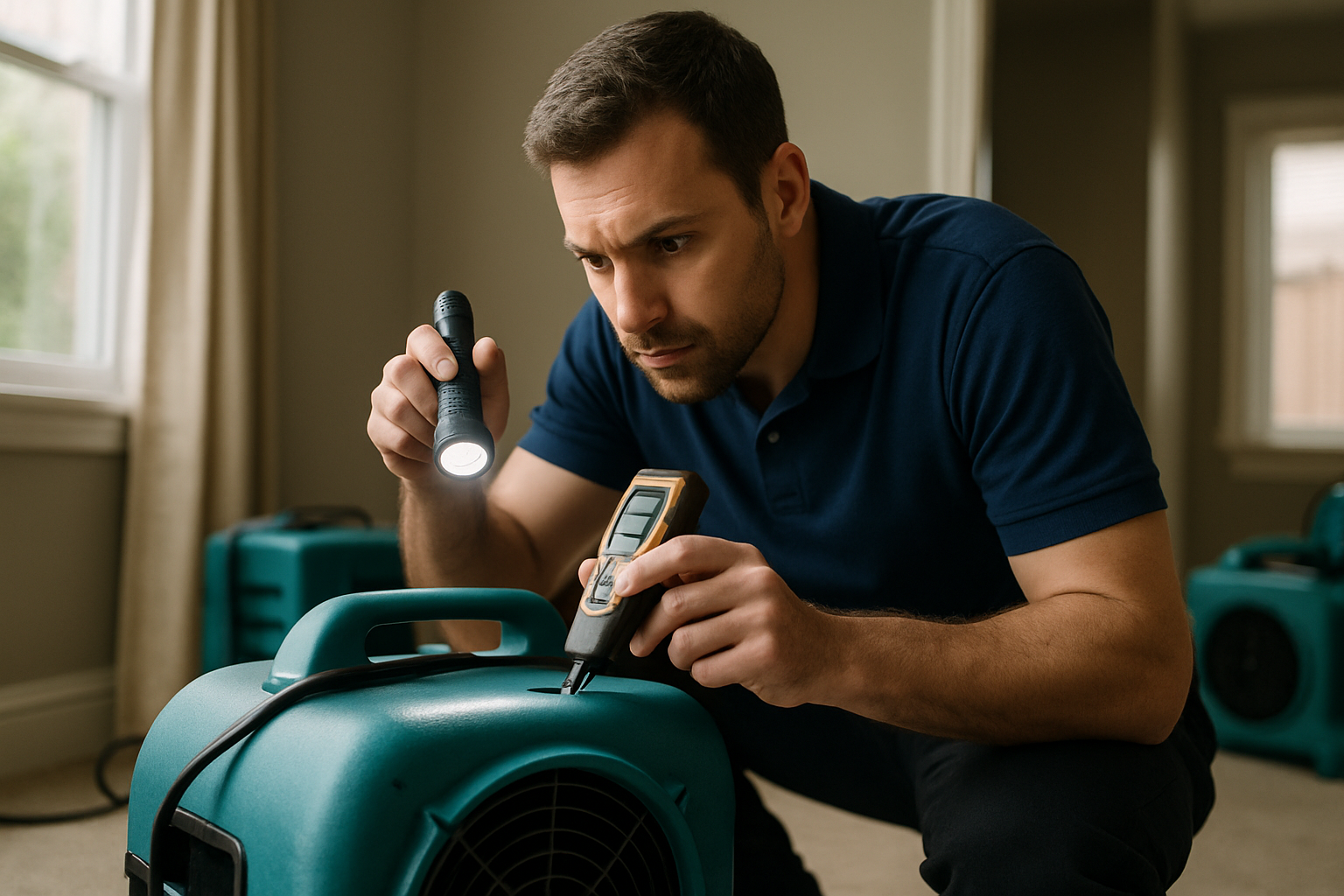
Look for visible signs of Chaetomium mold in damp areas such as basements, bathrooms, and kitchens. Use a flashlight to check hidden areas.

3

Test the Air Quality

Consider using a mold test kit to assess the air quality in your home. This can help you determine the extent of mold spores present.

4

Remove Affected Materials

If mold is present on materials like drywall or flooring, carefully remove and dispose of these items while wearing protective gear.

5

Disinfect the Area

Use a mold remediation solution to treat the affected area. Ensure you follow the manufacturer's instructions for effective results.

6

Monitor the Area

After remediation, keep an eye on the area for any signs of returning mold. Continue to maintain low humidity levels in your home.

Pro Tip
Always turn off power to the unit at the breaker before inspecting any components. Safety first — even for simple checks.
When to Call a Professional

Don't DIY These Situations

Some repairs require a licensed technician for safety, code compliance, and warranty protection.

Professional Assessment Required

Widespread mold growth covering large areas, indicating a significant infestation.

Professional Assessment Required

Presence of mold in hard-to-reach areas, such as inside walls or attics.

Professional Assessment Required

Health issues among occupants that could worsen due to mold exposure.

Professional Assessment Required

Need for specialized equipment to ensure thorough mold removal and remediation.

Professional Assessment Required

Inability to locate and fix the source of moisture contributing to mold growth.

Common Questions
What are the health risks associated with Chaetomium mold?
Chaetomium mold can cause various health issues, especially for individuals with respiratory conditions, allergies, or weakened immune systems. Symptoms may include sneezing, coughing, skin irritation, and even more severe reactions in sensitive individuals. Prolonged exposure can lead to respiratory infections and other serious health complications. If you experience these symptoms and suspect mold exposure, it’s important to seek medical advice.
How do I know if I have Chaetomium mold in my home?
Common indicators of Chaetomium mold include visible mold growth, a musty odor, and water stains on walls or ceilings. If you notice any of these signs, it’s advisable to conduct a thorough inspection of your home, particularly in areas prone to moisture. If you're uncertain, consider hiring a professional mold inspector to assess your home for Chaetomium mold.
Can I remove Chaetomium mold myself?
While small patches of Chaetomium mold can sometimes be addressed with DIY methods, it’s often best to consult a professional, especially for larger infestations. Professionals have the necessary equipment and expertise to safely remove mold and prevent it from returning. If you choose to tackle it yourself, ensure you wear protective gear and follow safety guidelines.
What should I do if I find Chaetomium mold in my home?
If you discover Chaetomium mold, it's crucial to act immediately. Identify and eliminate the source of moisture, as this is key to preventing further growth. Depending on the extent of the mold, you may need to remove affected materials and treat the area with a mold remediation solution. If the infestation is extensive, it’s best to contact Pure Maintenance Portland to ensure thorough and safe mold removal.
Related Services

We Can Fix It For You

Our licensed team serves Portland, Oregon and surrounding areas — same-day service available.

Problem Solved — Or Need a Pro?

Our licensed team serves Portland, Oregon and surrounding areas. Get a free diagnosis — no obligation.