
Dry Fogging Mold — Pure Maintenance Portland
Troubleshooting Guide

Dry Fogging Mold Troubleshooting Guide — Pure Maintenance Portland

Dry fogging mold remediation is an innovative and highly effective solution for addressing mold issues in residential and commercial properties in Portland, Oregon. This method utilizes specialized fogging equipment to disperse a fine mist of antimicrobial agents that penetrate hard-to-reach areas, effectively eliminating mold spores and preventing future growth. As a homeowner or property manager in the Portland area, understanding how to troubleshoot potential issues with dry fogging can ensure the longevity of your mold treatment and protect your indoor environment. At Pure Maintenance Portland, we recognize that mold can pose significant health risks and damage to your property. This troubleshooting guide will help you identify common symptoms that indicate potential problems during the dry fogging process, as well as provide actionable steps to take if you encounter these issues. Whether you're experiencing unusual odors, visible mold growth, or other signs of ineffective treatment, our guide aims to empower you with the knowledge needed to maintain a safe and healthy living space. If you suspect mold issues in your Portland home, it’s essential to act quickly and consult our expert team for professional assistance.

By Pure Maintenance Portland
8 min read
Expert-reviewed
Having an Emergency?
Don't wait — call us now for 24/7 emergency service in Portland, Oregon.
(503) 461-1006
Symptoms & Causes

Identify the Problem

Match your symptoms to the most likely cause. Severity ratings help you decide how urgently to act.

Musty odors persist after treatmenthigh
Likely cause: Inadequate fogging coverage, Poor ventilation, Residual moisture
DIY check: Increase ventilation in affected areas and re-evaluate fogging coverage.
Visible mold growth reappearshigh
Likely cause: Insufficient fogging, Water leaks, Humidity levels are too high
DIY check: Inspect for leaks and reduce humidity with dehumidifiers.
Allergic reactions persist in occupantsmedium
Likely cause: Incomplete mold removal, Sensitivity to mold spores, Other allergens present
DIY check: Conduct a thorough cleaning of the area and consider air purifiers.
Fogging equipment malfunctionsmedium
Likely cause: Clogged nozzles, Power supply issues, Incorrect setup
DIY check: Check the power source and clean the nozzles before reattempting fogging.
Inconsistent fogging distributionmedium
Likely cause: Improper machine calibration, Incorrect technique, Environmental factors
DIY check: Adjust the machine settings and ensure proper technique during fogging.
Surface discoloration after fogginglow
Likely cause: Chemical reaction with surfaces, Over-saturation of fogging agent, Incompatible materials
DIY check: Wipe surfaces with a damp cloth and ensure compatibility of materials before fogging.
What to Do Next

Step-by-Step Action Plan

Follow these steps before calling a technician — you may be able to resolve the issue yourself.

1

Assess the Area

Walk through the treated area to identify any signs of moisture, mold, or odors.

2

Check Equipment Functionality

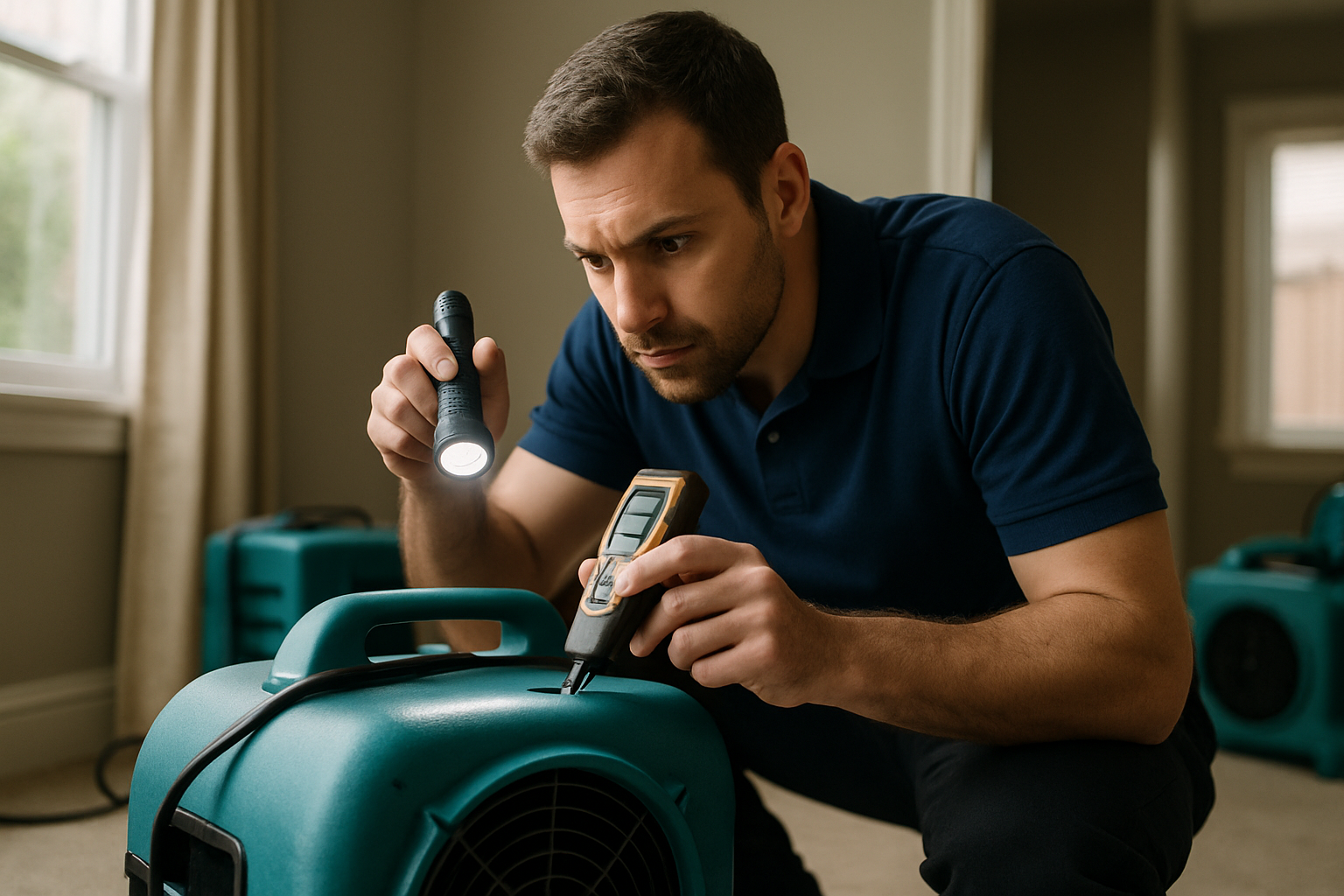
Inspect the fogging equipment for proper setup, power supply, and any clogs in the nozzles.

3

Evaluate Ventilation

Ensure that the area is adequately ventilated to prevent moisture build-up and promote air circulation.

4

Monitor Humidity Levels

Use a hygrometer to measure humidity levels, aiming for a range of 30-50% to prevent mold regrowth.

5

Conduct a Post-Treatment Inspection

After fogging, inspect the surfaces and air quality for any remaining signs of mold.

Pro Tip
Always turn off power to the unit at the breaker before inspecting any components. Safety first — even for simple checks.
When to Call a Professional

Don't DIY These Situations

Some repairs require a licensed technician for safety, code compliance, and warranty protection.

Professional Assessment Required

Persistent mold odors remain despite fogging efforts, indicating potential hidden mold sources.

Professional Assessment Required

Visible mold growth continues to appear after multiple fogging attempts, suggesting deeper issues.

Professional Assessment Required

Health symptoms in occupants worsen, requiring expert evaluation for potential underlying mold.

Professional Assessment Required

Equipment failures occur frequently, necessitating professional servicing or replacement.

Professional Assessment Required

Lack of experience or training in using fogging equipment can lead to improper treatment.

Common Questions
How long does the dry fogging process take?
The duration of the dry fogging process can vary based on the size of the area being treated. Typically, fogging can take anywhere from 30 minutes to several hours. After the fogging is completed, it's advisable to allow the treated area to ventilate for at least 30 minutes before re-entering. This ensures that any residual fogging solution dissipates effectively.
Is dry fogging safe for pets and children?
Yes, dry fogging is generally considered safe for pets and children when performed correctly. However, it is recommended to keep pets and children away from the treated area during the fogging process and for a short period afterward to ensure their safety. Always consult with your mold remediation professional about specific concerns regarding your pets or family members.
What should I do if mold reappears after fogging?
If mold reappears after dry fogging, it’s essential to investigate potential underlying issues. This could include checking for water leaks, excessive humidity, or inadequate fogging coverage. Contacting a professional mold remediation service like Pure Maintenance Portland can help identify the cause and provide an effective solution to prevent recurrence.
Can I perform dry fogging myself?
While DIY fogging kits are available, we strongly recommend hiring a professional service for dry fogging. Professionals have the expertise to ensure proper application, assess the extent of mold contamination, and select the appropriate fogging agents. Additionally, they can address potential safety concerns associated with mold and chemical exposure.
Related Services

We Can Fix It For You

Our licensed team serves Portland, Oregon and surrounding areas — same-day service available.

Problem Solved — Or Need a Pro?

Our licensed team serves Portland, Oregon and surrounding areas. Get a free diagnosis — no obligation.