HVAC Ductwork Mold Removal Troubleshooting Guide — Pure Maintenance Portland
Mold growth in your HVAC ductwork can pose serious health risks and compromise the efficiency of your heating and cooling systems. In Portland, Oregon, where humidity levels can rise, it's crucial to be vigilant about mold in your ducts. Mold thrives in dark, damp environments, making HVAC systems an ideal breeding ground. Poor air quality can lead to respiratory issues and allergic reactions, affecting your family's well-being. At Pure Maintenance Portland, we specialize in HVAC ductwork mold removal, helping you maintain a safe and healthy indoor environment. Understanding the signs of mold growth in your HVAC system is key to preventing further damage. Regular inspections and prompt action can save you from costly repairs and health hazards. This troubleshooting guide is designed to help Portland homeowners identify and address potential mold issues in their HVAC ductwork before they escalate. We'll cover common symptoms, practical steps to diagnose problems, and when it's necessary to call in professionals. With the right knowledge and assistance, you can ensure your home remains a safe haven from mold and its harmful effects.
Identify the Problem
Match your symptoms to the most likely cause. Severity ratings help you decide how urgently to act.
Step-by-Step Action Plan
Follow these steps before calling a technician — you may be able to resolve the issue yourself.
Inspect Ducts
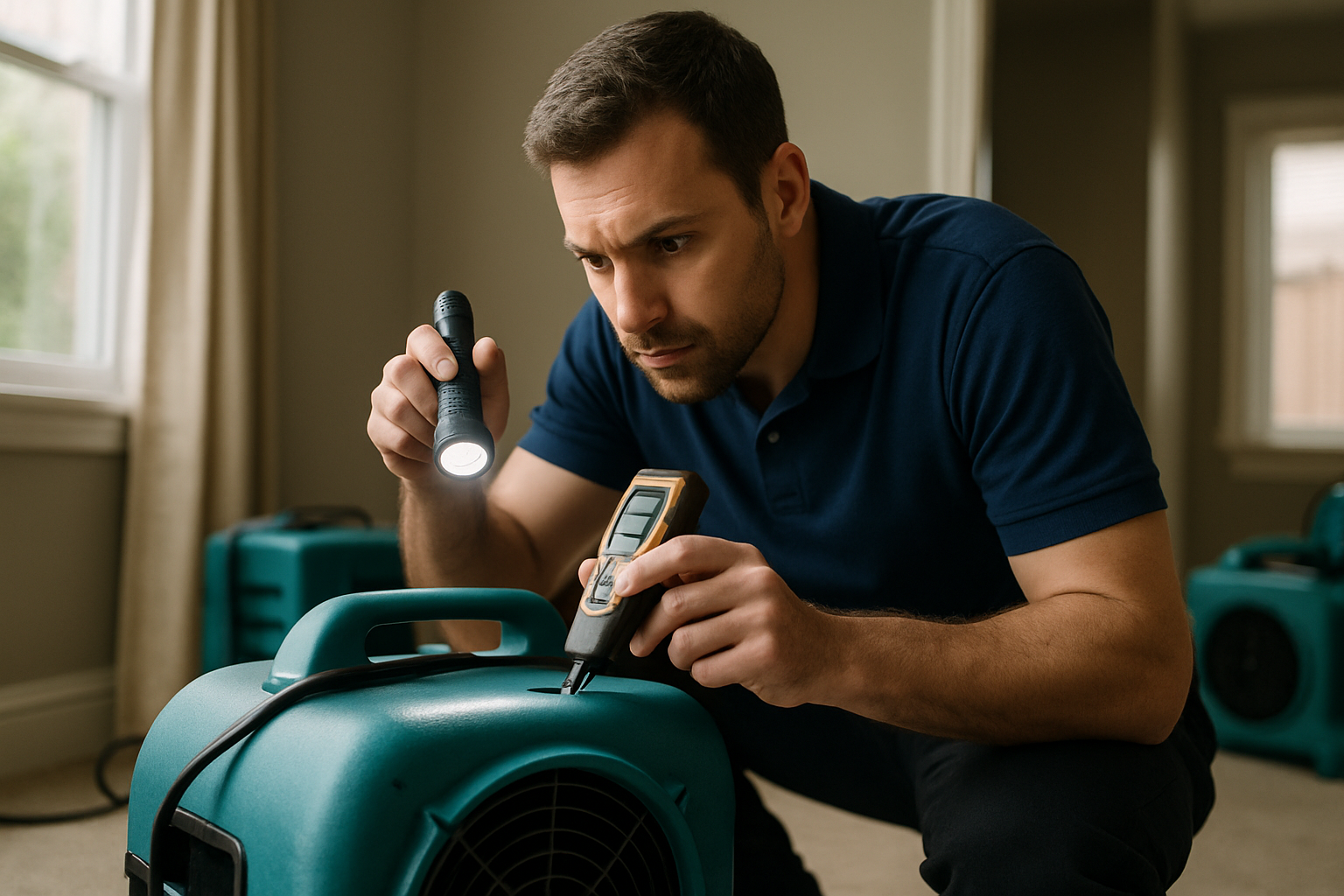
Begin by visually inspecting your HVAC ducts for any signs of mold growth or moisture accumulation. Look for dark spots or any visible mold.
Check Humidity Levels
Use a hygrometer to measure indoor humidity. Ideally, humidity levels should be between 30-50%. If levels are high, consider using a dehumidifier.
Change Air Filters
Replace your HVAC air filters regularly. Dirty filters can exacerbate mold growth and reduce air quality.
Seal Leaks
Check for any leaks or damage in your ductwork. Sealing these can prevent moisture from entering, which helps inhibit mold growth.
Clean and Maintain
Regularly clean your ducts and ensure your HVAC system is well-maintained to prevent mold and enhance efficiency.
Don't DIY These Situations
Some repairs require a licensed technician for safety, code compliance, and warranty protection.
If visible mold covers a large area in the ducts, professional removal is essential.
When the source of moisture cannot be identified or resolved by the homeowner.
If occupants experience severe allergic reactions or respiratory issues linked to mold exposure.
When ductwork is heavily contaminated and requires specialized equipment for safe removal.
If the HVAC system shows signs of electrical issues caused by mold or moisture.
How can I tell if my HVAC ducts have mold?
What causes mold to grow in HVAC ductwork?
Is DIY mold removal from ducts effective?
What health risks are associated with mold in HVAC ducts?
We Can Fix It For You
Our licensed team serves Portland, Oregon and surrounding areas — same-day service available.
Problem Solved — Or Need a Pro?
Our licensed team serves Portland, Oregon and surrounding areas. Get a free diagnosis — no obligation.