Negative Air Pressure & Containment — Pure Maintenance Portland
Troubleshooting Guide

Negative Air Pressure & Containment Troubleshooting Guide — Pure Maintenance Portland

Negative air pressure and containment are crucial components in effective water damage restoration, particularly in a moisture-prone area like Portland, Oregon. When these systems malfunction, they can lead to significant issues, including mold growth, structural damage, and compromised indoor air quality. This troubleshooting guide aims to help homeowners understand the symptoms of negative air pressure issues and containment failures, enabling them to take appropriate actions before professional intervention is necessary. At Pure Maintenance Portland, we recognize that maintaining negative air pressure is vital for preventing contaminants from spreading throughout your home during restoration. Our dedicated team is committed to providing expert insights into identifying and resolving problems with negative air pressure and containment. Understanding the signs and symptoms associated with these issues can save you time and money while ensuring your home remains safe and healthy, especially given the unique climate challenges we face in Portland.

By Pure Maintenance Portland
8 min read
Expert-reviewed
Having an Emergency?
Don't wait — call us now for 24/7 emergency service in Portland, Oregon.
(503) 461-1006
Symptoms & Causes

Identify the Problem

Match your symptoms to the most likely cause. Severity ratings help you decide how urgently to act.

Unusual fluctuations in indoor air qualityhigh
Likely cause: Blocked air filters, Improper duct sealing, Inadequate ventilation
DIY check: Check and replace air filters as needed, and ensure that all ductwork is properly sealed.
Visible mold growth on walls or ceilingshigh
Likely cause: Excess moisture from leaks, Poor containment during restoration, Insufficient negative air pressure
DIY check: Identify and fix the source of moisture, and use a dehumidifier to lower humidity levels.
Increased energy billsmedium
Likely cause: Air leaks in the containment area, Inefficient HVAC operation, Overworking of air handling units
DIY check: Inspect for and seal any leaks in the containment area and ensure that HVAC systems are functioning properly.
Odors lingering in the housemedium
Likely cause: Stagnant air due to negative pressure issues, Mold or mildew growth, Contaminants trapped in the air
DIY check: Ventilate the area by opening windows and using fans to improve air circulation.
Dust or debris accumulation in containment areamedium
Likely cause: Ineffective filtration, Overloading of air scrubbing equipment, Poor sealing of containment barriers
DIY check: Regularly clean the area and ensure all filtration systems are operational and effective.
High humidity levels detectedhigh
Likely cause: Insufficient air movement, Faulty dehumidifiers, Poor containment practices
DIY check: Use portable dehumidifiers and ensure proper air circulation to reduce humidity levels.
Noise from air handling systemslow
Likely cause: Clogged filters, Faulty fans, Improperly sized equipment
DIY check: Inspect and replace filters, and check for any obstructions in the air handling units.
What to Do Next

Step-by-Step Action Plan

Follow these steps before calling a technician — you may be able to resolve the issue yourself.

1

Inspect Air Filters

Begin by checking your air filters for dirt and blockages. Clogged filters can restrict airflow and impact negative pressure.

2

Check Containment Barriers

Examine the integrity of your containment barriers. Look for any breaches or gaps that could lead to pressure imbalances.

3

Measure Indoor Air Quality

Utilize air quality monitors to gauge the levels of contaminants and humidity within your home, identifying areas needing attention.

4

Test Negative Air Pressure

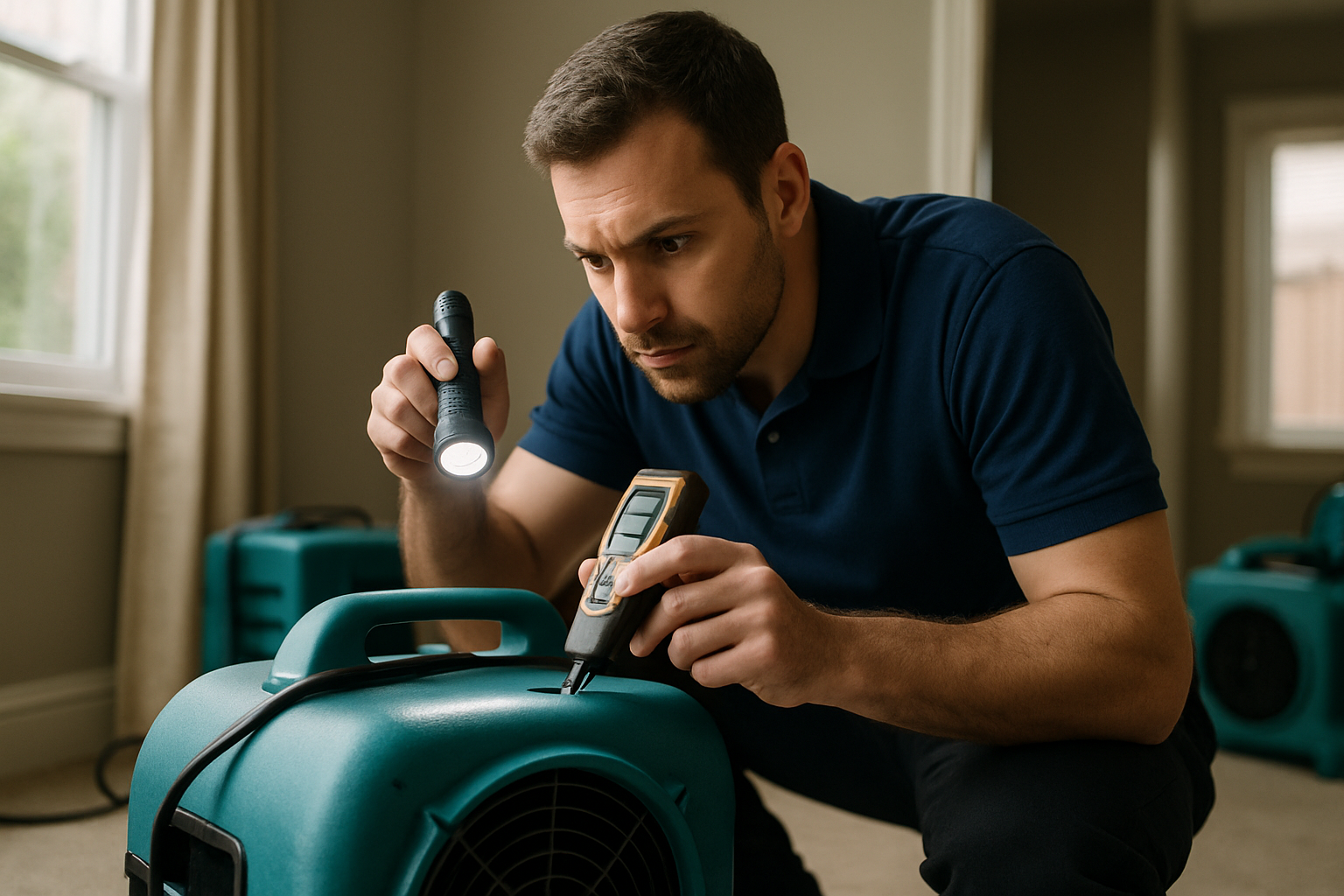
Use a manometer to measure the negative air pressure in the containment area, ensuring it is within acceptable ranges.

5

Evaluate HVAC System Performance

Assess the performance of your HVAC system to ensure it is effectively managing air circulation and pressure.

6

Contact Pure Maintenance Portland

If issues persist after your checks, reach out to our professional team at (503) 461-1006 for expert assistance.

Pro Tip
Always turn off power to the unit at the breaker before inspecting any components. Safety first — even for simple checks.
When to Call a Professional

Don't DIY These Situations

Some repairs require a licensed technician for safety, code compliance, and warranty protection.

Professional Assessment Required

Persistent mold growth despite DIY efforts indicating a containment failure.

Professional Assessment Required

Severe fluctuations in air pressure that cannot be resolved through basic troubleshooting.

Professional Assessment Required

Structural damage or signs of water intrusion that compromise negative air pressure.

Professional Assessment Required

Inability to maintain proper indoor air quality despite corrective measures.

Professional Assessment Required

Complex HVAC issues that require technical expertise to diagnose and repair.

Common Questions
What is negative air pressure, and why is it important?
Negative air pressure is a controlled air pressure condition in which air is drawn into a space rather than being pushed out. This is crucial during water damage restoration as it helps contain contaminants, preventing them from spreading throughout your home. In moisture-prone areas like Portland, maintaining negative air pressure is vital to control mold growth and ensure a healthy indoor environment.
How can I tell if the negative air pressure is working correctly?
You can check negative air pressure by using a manometer, which measures air pressure differences. If you notice that air is being drawn into the containment area and not escaping, it's a good sign that negative air pressure is functioning correctly. Additionally, you should monitor for any signs of air leaks or fluctuations in indoor air quality.
What should I do if I see mold in the containment area?
If you detect mold within the containment area, it's essential to address it immediately. First, ensure that the source of moisture is fixed. Then, use appropriate protective gear to clean the mold using specialized cleaning solutions. If the mold covers a large area or recurs, it’s advisable to call a professional like Pure Maintenance Portland for thorough remediation.
Can I perform negative air pressure maintenance myself?
While some basic maintenance can be done by homeowners, such as replacing air filters and checking barriers, it's often best to call professionals for comprehensive inspections. Professionals have the expertise to identify hidden issues and ensure that all systems are working together effectively, especially in a climate like Portland where moisture control is critical.
Related Services

We Can Fix It For You

Our licensed team serves Portland, Oregon and surrounding areas — same-day service available.

Problem Solved — Or Need a Pro?

Our licensed team serves Portland, Oregon and surrounding areas. Get a free diagnosis — no obligation.