Water Extraction — Pure Maintenance Portland
Troubleshooting Guide

Water Extraction Troubleshooting Guide — Pure Maintenance Portland

At Pure Maintenance Portland, we understand that water extraction is a critical service for homeowners facing water damage in Portland, Oregon. Whether it's due to flooding, leaks, or appliance malfunctions, the prompt removal of water is essential to prevent further damage and mold growth. Our team specializes in effective water extraction techniques tailored to the unique conditions of our local environment. This guide aims to help homeowners troubleshoot common water extraction issues, ensuring a swift and effective resolution to water-related problems. Water extraction is not just about removing water; it involves understanding the underlying causes and taking appropriate steps to mitigate damage. In Portland, where rain is frequent and sometimes excessive, being proactive about water extraction can save you from costly repairs down the line. This troubleshooting guide will provide you with insights into common symptoms of water extraction issues, potential causes, and actionable steps you can take to address them. Remember, while some issues may be manageable on your own, others will require the expertise of our skilled professionals to ensure your home remains safe and dry.

By Pure Maintenance Portland
8 min read
Expert-reviewed
Having an Emergency?
Don't wait — call us now for 24/7 emergency service in Portland, Oregon.
(503) 461-1006
Symptoms & Causes

Identify the Problem

Match your symptoms to the most likely cause. Severity ratings help you decide how urgently to act.

Persistent dampness in carpets or flooringhigh
Likely cause: Inadequate water removal, High humidity levels, Hidden leaks
DIY check: Use fans and dehumidifiers to dry the area and check for visible leaks.
Musty odors in your homemedium
Likely cause: Mold growth due to water retention, Poor ventilation, Residual moisture in walls or floors
DIY check: Identify the source of moisture and ventilate the area, using air purifiers if needed.
Visible water stains on walls or ceilingshigh
Likely cause: Leaking pipes, Roof leaks, Condensation issues
DIY check: Inspect the roof and plumbing for leaks, and consider applying sealant as a temporary fix.
Mold or mildew growthhigh
Likely cause: Excess moisture, Inadequate drying after extraction, Poor air circulation
DIY check: Clean affected areas with a mixture of water and vinegar, and improve ventilation.
Slow drainage from extraction equipmentmedium
Likely cause: Clogged hoses, Improper setup, Equipment malfunction
DIY check: Check hoses for clogs and ensure the equipment is set up correctly.
Increased utility billsmedium
Likely cause: Water leaks, Continuous running of extraction equipment, Inefficient drying processes
DIY check: Monitor water usage and inspect for leaks in plumbing or appliances.
Water pooling in certain areas of the homehigh
Likely cause: Improper drainage systems, Foundation issues, Blocked gutters
DIY check: Ensure gutters are clear and direct downspouts away from the foundation.
What to Do Next

Step-by-Step Action Plan

Follow these steps before calling a technician — you may be able to resolve the issue yourself.

1

Identify the Source of Water

Check for leaks from appliances, plumbing, or roof issues. If necessary, turn off the water supply to prevent further damage.

2

Assess the Extent of Water Damage

Inspect the affected areas for water accumulation and damage to flooring, walls, and furniture to determine how much extraction is needed.

3

Use Extraction Equipment

Utilize pumps or wet vacuums to remove excess water. Ensure equipment is functioning properly and set it up according to the manufacturer's instructions.

4

Dry the Affected Area

Employ fans and dehumidifiers to expedite the drying process. Monitor humidity levels to prevent mold growth.

5

Check for Hidden Moisture

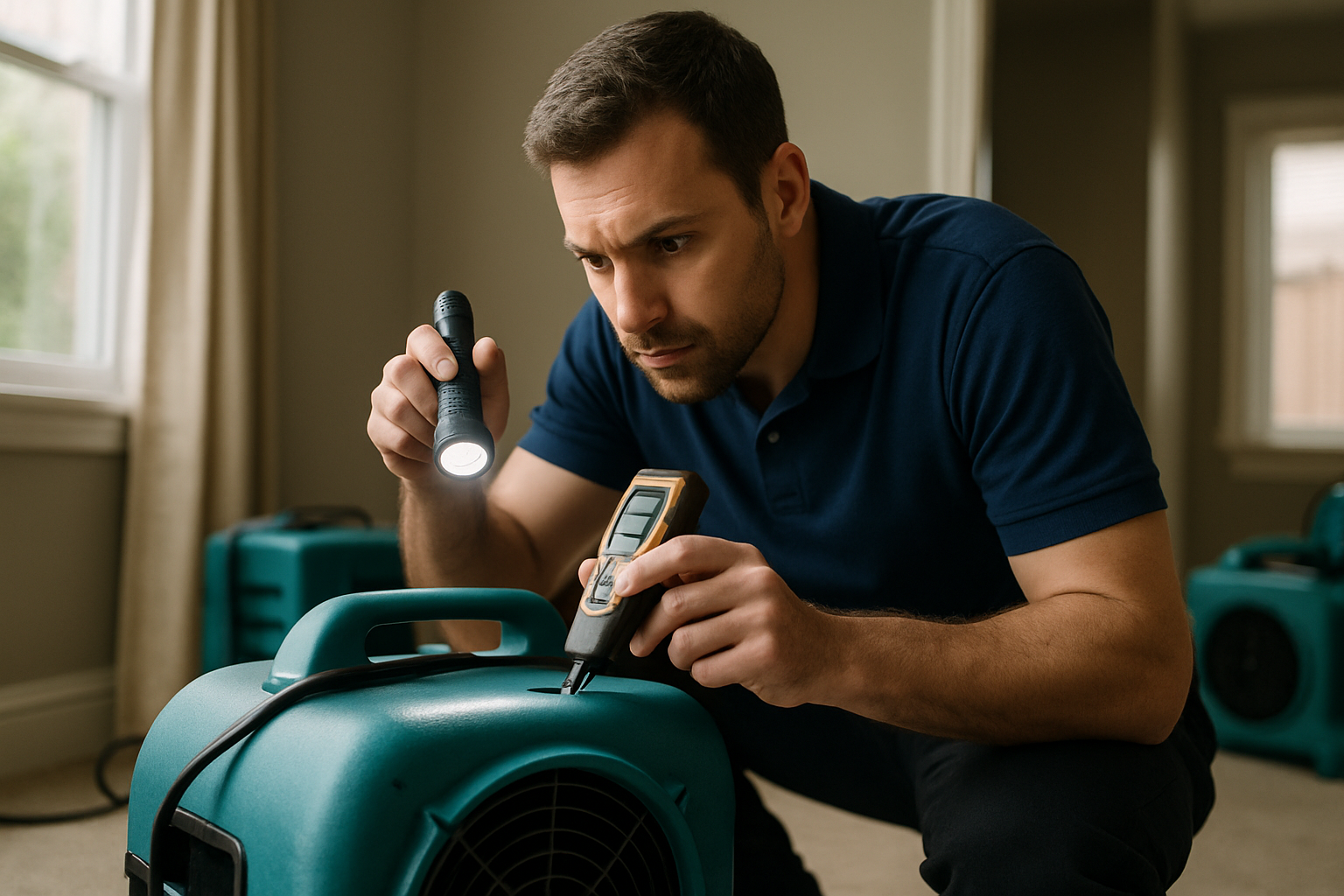
Use a moisture meter to check for hidden dampness in walls and floors. Address any areas that remain wet.

6

Inspect for Mold Growth

After the area is dry, inspect for mold. If found, take appropriate steps to clean it or call a professional for removal.

Pro Tip
Always turn off power to the unit at the breaker before inspecting any components. Safety first — even for simple checks.
When to Call a Professional

Don't DIY These Situations

Some repairs require a licensed technician for safety, code compliance, and warranty protection.

Professional Assessment Required

If water damage is extensive and requires heavy-duty extraction equipment.

Professional Assessment Required

When mold growth is detected that exceeds safe levels.

Professional Assessment Required

If there are hidden leaks that are hard to identify and address.

Professional Assessment Required

In cases where structural damage may have occurred due to prolonged water exposure.

Professional Assessment Required

When you lack the necessary tools or expertise to perform effective water extraction safely.

Common Questions
How long does the water extraction process take?
The duration of the water extraction process can vary significantly based on the extent of the water damage. For minor incidents, it may take a few hours, while more severe cases can take a full day or longer. Factors such as the size of the affected area, the amount of water to be removed, and the type of equipment used all play a role in determining the time required. At Pure Maintenance Portland, we strive to complete the extraction as quickly and efficiently as possible to minimize disruption to your home.
What equipment is used for water extraction?
Water extraction typically involves the use of specialized equipment such as industrial wet vacuums, submersible pumps, and dehumidifiers. Wet vacuums are effective for removing water from carpets, while submersible pumps are used for larger amounts of standing water. Dehumidifiers help to reduce humidity levels in the air and speed up the drying process. Our team at Pure Maintenance Portland uses state-of-the-art equipment to ensure thorough extraction and restoration.
Can I perform water extraction myself?
While homeowners can handle minor water issues with wet vacuums and fans, it is often advisable to call professionals for extensive water extraction. Factors like the volume of water, potential mold growth, and the risk of structural damage can complicate the situation. Professionals have the necessary training, equipment, and experience to handle water extraction safely and effectively. If you are ever in doubt, Pure Maintenance Portland is just a phone call away at (503) 461-1006.
How can I prevent mold after extraction?
Preventing mold growth after water extraction involves thorough drying and monitoring humidity levels. After extraction, use fans and dehumidifiers to dry the area completely, especially in hidden spots. Regularly check for any signs of moisture in the days and weeks following the extraction. If you notice any musty odors or visible mold, contact a professional immediately. Our experts at Pure Maintenance Portland are trained to identify and address mold issues effectively.
Related Services

We Can Fix It For You

Our licensed team serves Portland, Oregon and surrounding areas — same-day service available.

Problem Solved — Or Need a Pro?

Our licensed team serves Portland, Oregon and surrounding areas. Get a free diagnosis — no obligation.