
Flood Cleanup How-To Guide — Pure Maintenance Portland
Initial Assessment
Water Removal
Drying and Dehumidifying
Mold Prevention
Cleaning and Sanitizing
Restoration and Repairs
How It Works
Flooding can be a devastating experience for any homeowner in Portland, Oregon. Whether it's due to heavy rainfall, a burst pipe, or a natural disaster, the aftermath of a flood can lead to significant property damage and health risks if not addressed promptly. Understanding the flood cleanup process is crucial to ensure your home is restored effectively and safely. This guide will walk you through the essential steps to take after a flood to mitigate damage and restore your property to its pre-flood condition. At Pure Maintenance Portland, we specialize in comprehensive flood cleanup services tailored to the unique challenges faced by Portland residents. Our team is equipped with the right tools and expertise to handle any level of flooding. This how-to guide will provide you with detailed steps and tips on flood cleanup, ensuring you’re well-prepared to tackle the aftermath of a flood efficiently and effectively. Remember, when in doubt, it’s always best to consult with professionals who can assist you through this challenging process.
Initial Assessment
The first step in any flood cleanup process is to conduct a thorough assessment of the damage. This involves identifying the source of the water, the extent of the flooding, and any potential hazards, such as electrical issues or structural damage. Ensure that you wear protective gear and avoid entering the flooded area until it's safe. A professional assessment can help determine the best course of action for cleanup.
Water Removal
Once the assessment is complete, the next step is to remove any standing water from your home. This can be done using pumps and wet vacuums. If the flooding is severe, it may require professional-grade equipment. The quicker the water is removed, the less damage it will cause to your flooring, walls, and belongings. Ensure you are cautious of any hidden dangers while removing water.
Drying and Dehumidifying
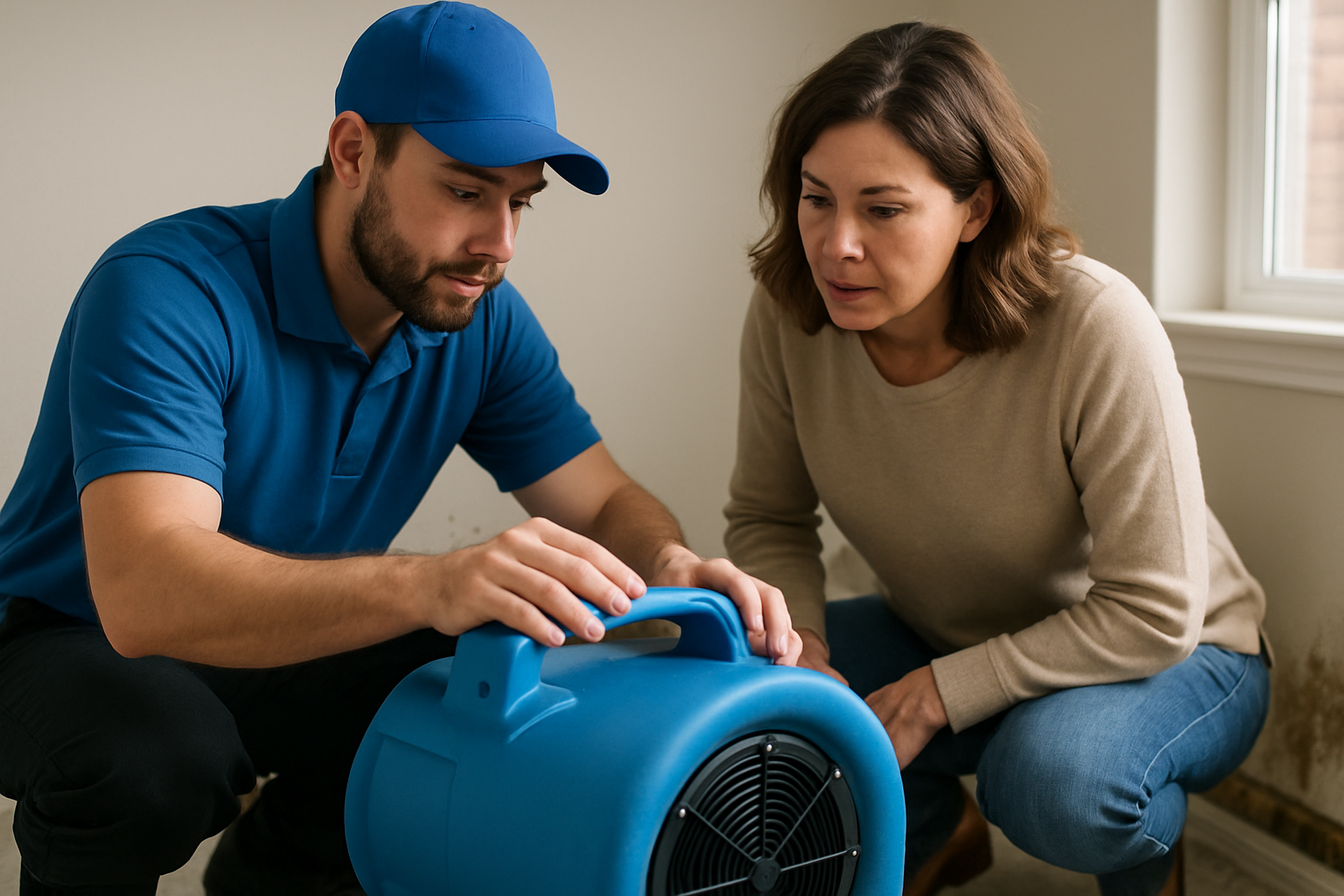
After water removal, drying out your home is crucial. This process involves using industrial fans and dehumidifiers to eliminate moisture from the air and surfaces. It is essential to dry the area thoroughly to prevent mold growth and structural damage. Depending on the size of the affected area, this step may take several days.
Mold Prevention
Mold can develop rapidly in damp environments, making mold prevention a priority. Inspect for any signs of mold growth and treat affected areas with appropriate fungicides or professional mold remediation services. Ensure proper ventilation and continue using dehumidifiers to maintain low humidity levels in your home.
Cleaning and Sanitizing
Once the area is dry, it’s time to thoroughly clean and sanitize all surfaces that came into contact with flood water. This step is vital to remove contaminants and prevent health issues. Use EPA-approved cleaning solutions to wipe down walls, floors, and any salvaged belongings. Discard items that cannot be cleaned or sanitized, such as carpets and upholstery.
Restoration and Repairs
The final step is to restore your home to its original condition. This may involve repairing or replacing flooring, drywall, and other structural elements damaged by the flood. Depending on the extent of the damage, you may also want to consider renovations or upgrades during this phase. Professional restoration services can help ensure that your home is safe and up to code.
What to Expect & When
We believe in full transparency. Here's a realistic timeline so you can plan accordingly.
Assessment and Planning
1-2 daysDuring this phase, professionals assess the extent of the damage and outline a detailed plan for cleanup and restoration.
Water Removal
2-4 hoursThis phase focuses on removing all standing water using pumps and vacuums to prevent further damage.
Drying and Sanitizing
3-7 daysIn this phase, the affected areas are dried thoroughly and sanitized to prevent mold and health hazards.
Restoration
1-3 weeksThe final phase involves repairing and restoring the home to its original condition, which may take several weeks depending on the extent of the damage.
How to Prepare
- Turn off electricity to affected areas to prevent shock risks before cleanup begins.
- Document all damages with photos for insurance claims.
- Remove personal belongings and valuables from flood-affected areas to protect them.
- Wear protective gear, such as gloves and boots, to safeguard against contaminants.
- Have a plan in place for where to stay if the flooding is severe enough to make your home uninhabitable.
Common Questions
Everything you need to know before we arrive.
What should I do immediately after flooding?
How long will the flood cleanup process take?
Can I clean up flood damage myself?
How do I prevent mold after a flood?
Will my insurance cover flood damage cleanup?
Still have questions? We're happy to help.
Call (503) 461-1006Understanding the Importance of Professional Flood Cleanup
Flood cleanup is more than just removing water from your home; it involves a thorough understanding of water damage and its effects on your property. In Portland, where flooding can occur due to heavy rain or rising water levels, professional services like Pure Maintenance Portland play a critical role in ensuring that your home is restored correctly. Professionals have the necessary equipment and expertise to assess damage, remove water, and prevent mold growth. By choosing professional cleanup services, you not only save time but also reduce the risk of long-term damage that could result from improper handling. The importance of acting quickly cannot be overstated; the sooner you begin the cleanup process, the less damage you will sustain. Additionally, professionals can help navigate insurance claims, ensuring that you receive the compensation needed for the restoration process.
Long-Term Effects of Flooding and How to Mitigate Them
Flooding can have severe long-term effects on your property if not addressed promptly and correctly. Beyond immediate water damage, prolonged exposure to moisture can lead to structural issues, mold growth, and even health risks for occupants. In Portland, the damp climate can exacerbate these issues, making it crucial to not only focus on immediate cleanup but also on long-term mitigation strategies. Implementing proper drainage systems, ensuring your home is waterproof, and regularly inspecting for leaks can help prevent future flooding scenarios. Homeowners should also consider investing in flood insurance and creating an emergency plan. By understanding the long-term implications of flooding and taking proactive measures, you can safeguard your home and your family's health.
Ready to Get Started with Pure Maintenance Portland?
Our licensed technicians serve Portland and surrounding communities. Free estimates — no obligation.