Flood Cleanup Troubleshooting Guide — Pure Maintenance Portland
Flooding can be a devastating experience for homeowners in Portland, Oregon. Whether it’s caused by heavy rainfall, a burst pipe, or an overflowing toilet, the aftermath of flooding can lead to significant property damage if not addressed promptly and effectively. At Pure Maintenance Portland, we understand the urgency and complexity of flood cleanup. This troubleshooting guide is designed to help you identify common issues and take appropriate action quickly. By understanding the symptoms of flood damage and knowing when to call for professional help, you can mitigate further damage to your home and ensure a safe living environment. In this guide, we will cover the symptoms of flooding, provide actionable steps for troubleshooting, and explain when it’s crucial to call in a professional. Each section is tailored specifically for homeowners in Portland, ensuring that the unique challenges posed by our local climate and infrastructure are addressed. Whether you're facing minor water accumulation or severe flooding, being equipped with the right information can make all the difference. Let’s dive into the common symptoms of flood damage and how you can tackle them effectively.
Identify the Problem
Match your symptoms to the most likely cause. Severity ratings help you decide how urgently to act.
Step-by-Step Action Plan
Follow these steps before calling a technician — you may be able to resolve the issue yourself.
Identify the Source of Water
Examine your home to pinpoint where the water is coming from. Look for leaks, cracks, or any signs of external flooding.
Remove Standing Water
If you have standing water, use a wet/dry vacuum or mop to remove as much water as possible. Ensure to wear protective gear.
Dry the Area
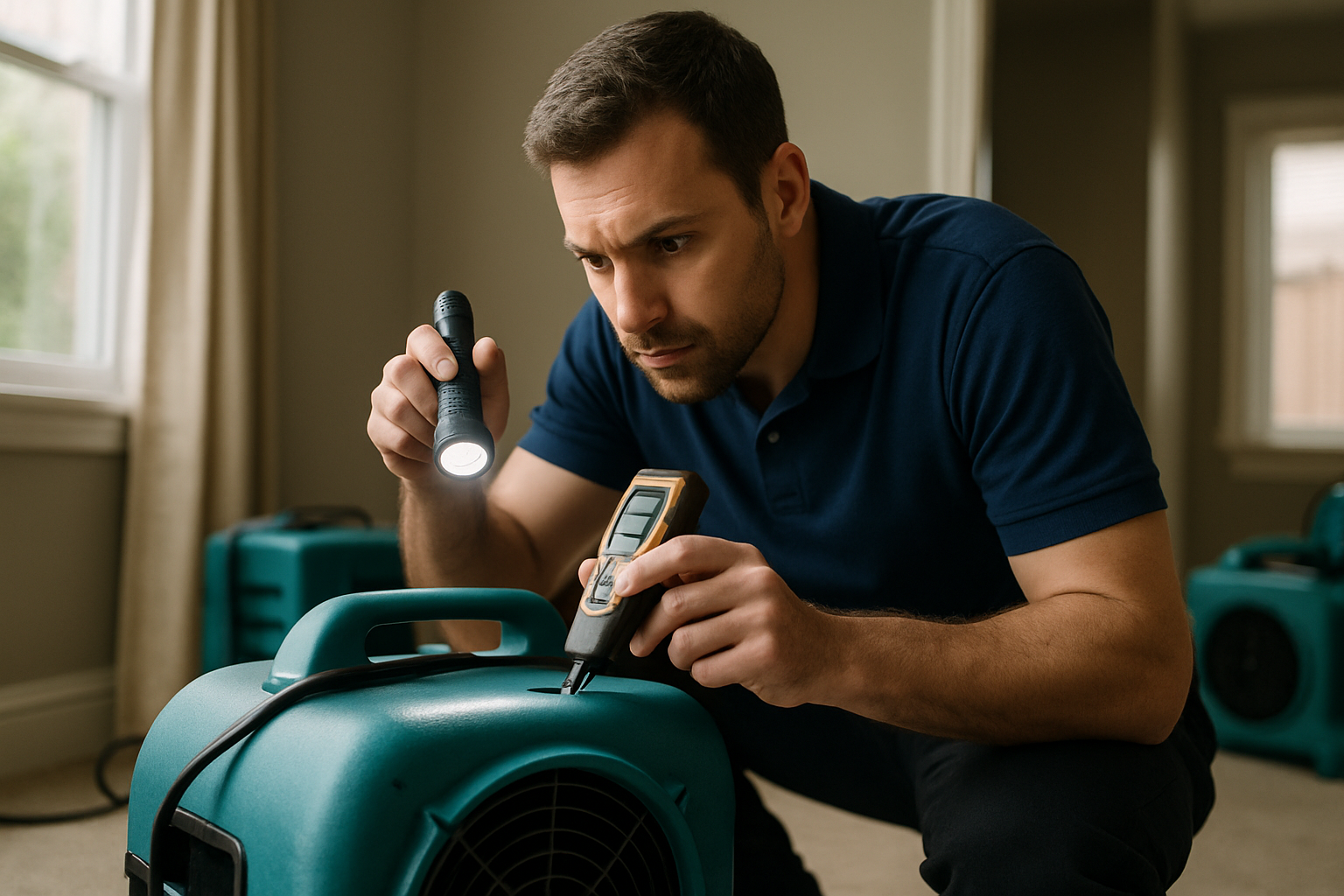
Use fans, dehumidifiers, and open windows to help dry out affected areas. This is crucial to prevent mold growth.
Inspect for Damage
Check for any visible damage to walls, floors, and belongings. Take note of what needs immediate attention.
Call Pure Maintenance Portland
If the damage is extensive or you find mold, contact Pure Maintenance Portland at (503) 461-1006 for professional flood cleanup services.
Don't DIY These Situations
Some repairs require a licensed technician for safety, code compliance, and warranty protection.
Water damage is extensive and has affected the structural integrity of your home.
Mold growth is present or suspected, posing health risks.
You are unable to identify the source of the flooding or leak.
Flooding has occurred due to sewage backup, requiring specialized cleanup.
You lack the necessary equipment or expertise to handle significant water removal.
What should I do immediately after a flood occurs?
How can I tell if my walls and floors have water damage?
How long does it take for mold to develop after flooding?
Can I clean up flood damage myself?
We Can Fix It For You
Our licensed team serves Portland, Oregon and surrounding areas — same-day service available.
Problem Solved — Or Need a Pro?
Our licensed team serves Portland, Oregon and surrounding areas. Get a free diagnosis — no obligation.